Build / how this guide was made

From the first idea
to a usable guide

0105
01

THE GAP

Make the MDes tangible before arrival

I began with a gap between what a program website can describe and what a future student actually wants to understand: the places, people, rhythms, methods, and uncertainty of the work. I wanted applicants to experience something of the MDes before they arrived.
+
02

FIRST IDEA

Start with a program website

The first version was a conventional applicant-facing guide—a clearer way to explain the program and collect its information. It gave me a starting structure, but it still kept the MDes at a distance, as if the program could be understood through descriptions alone.

+
03

THE TURN

Let Woodhaven change the brief

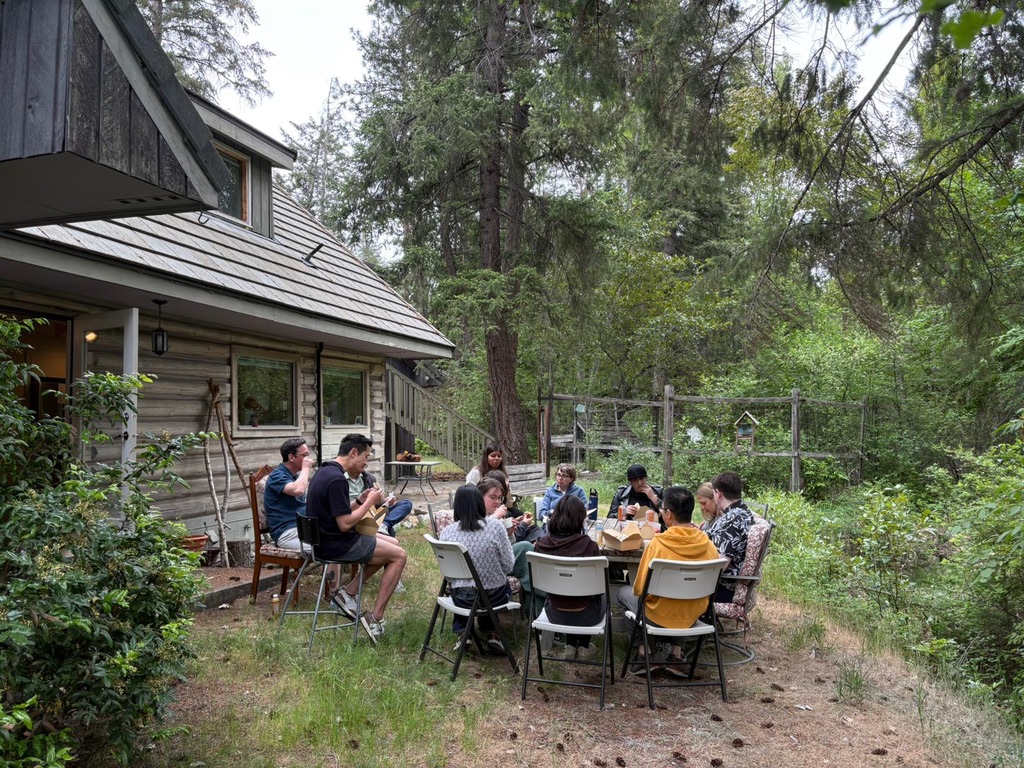
The Woodhaven field session shifted the project. I saw that the place was not just a backdrop for the program; it shaped how we observed, collaborated, and encountered problems. The website needed to hold that experience, not simply point to it.

+
04

BUILDING THE ROUTE

Turn evidence into an environment

I began bringing together 360° scenes, photographs, field recordings, video, project fragments, studio context, and cohort perspectives. Rapid prototypes and critique helped me work through navigation, hierarchy, sound, typography, and editability.

+
05

WHERE I AM NOW

A working student-made prototype

That process became Into the Unknown: a navigable, browser-based field guide that moves from place to context, method, evidence, and people. It is not a finished account of the MDes; it is the first working version of an experience that can keep growing.

+

The future of this
website

Right now, this is an immersive web experience that introduces the UBCO MDes through Woodhaven, campus, fieldwork, and the people working inside the program. The next versions should make that experience more complete, more explorable, and more alive over time.

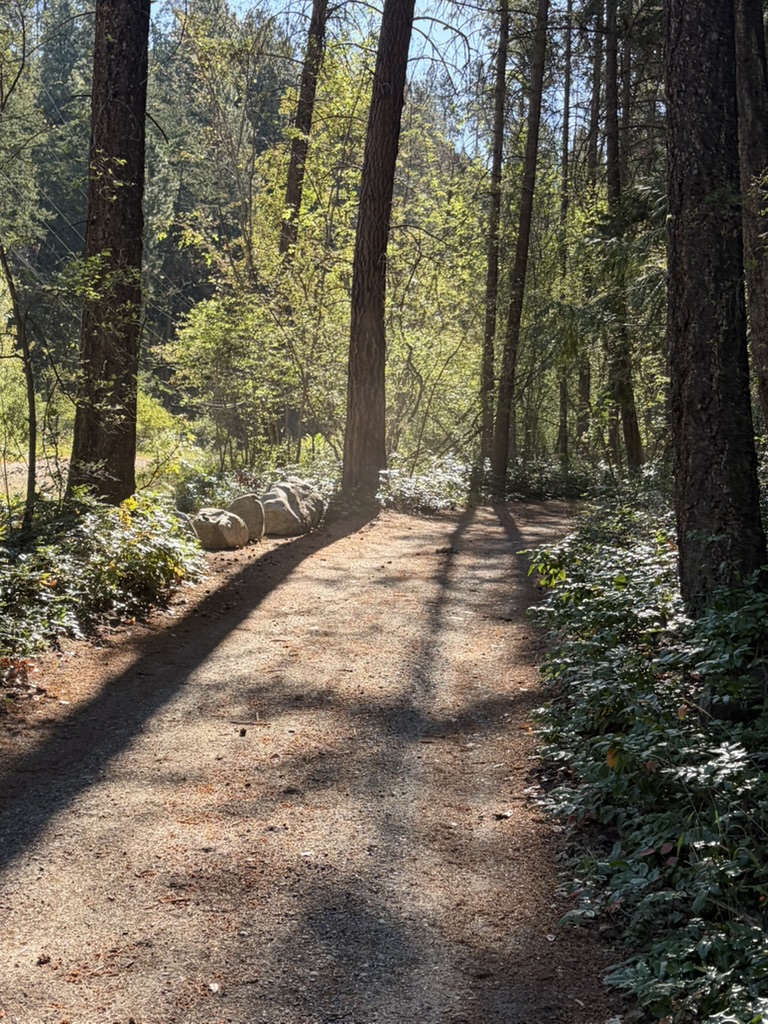
A path through Woodhaven01 / NOW

Explain the program

The current site gives future students a way to understand the MDes through its places, practices, people, and tools.

Students working together around a table at Woodhaven02 / NEXT

Let visitors walk Woodhaven

A fuller 360° route will let people move through the field site, follow the path, listen to the sound, and look around for themselves.

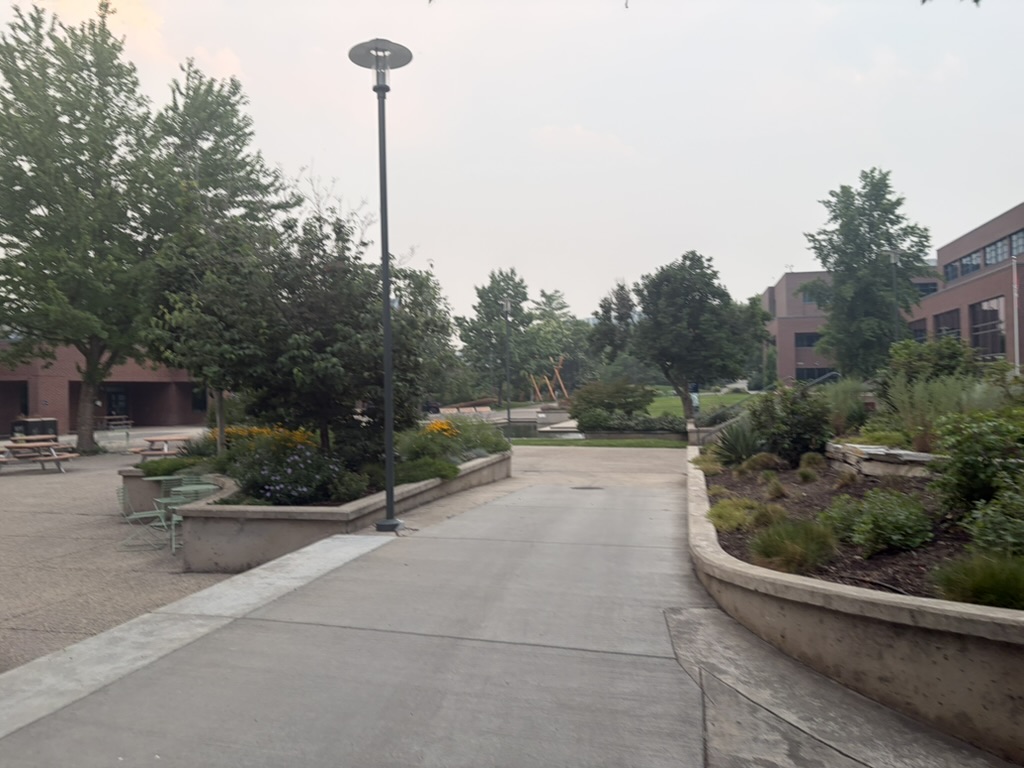
The UBC Okanagan courtyard03 / PEOPLE

Get to know the cohort

The site can follow students while they are in the program—showing their projects, perspectives, and the work that happens between formal milestones.

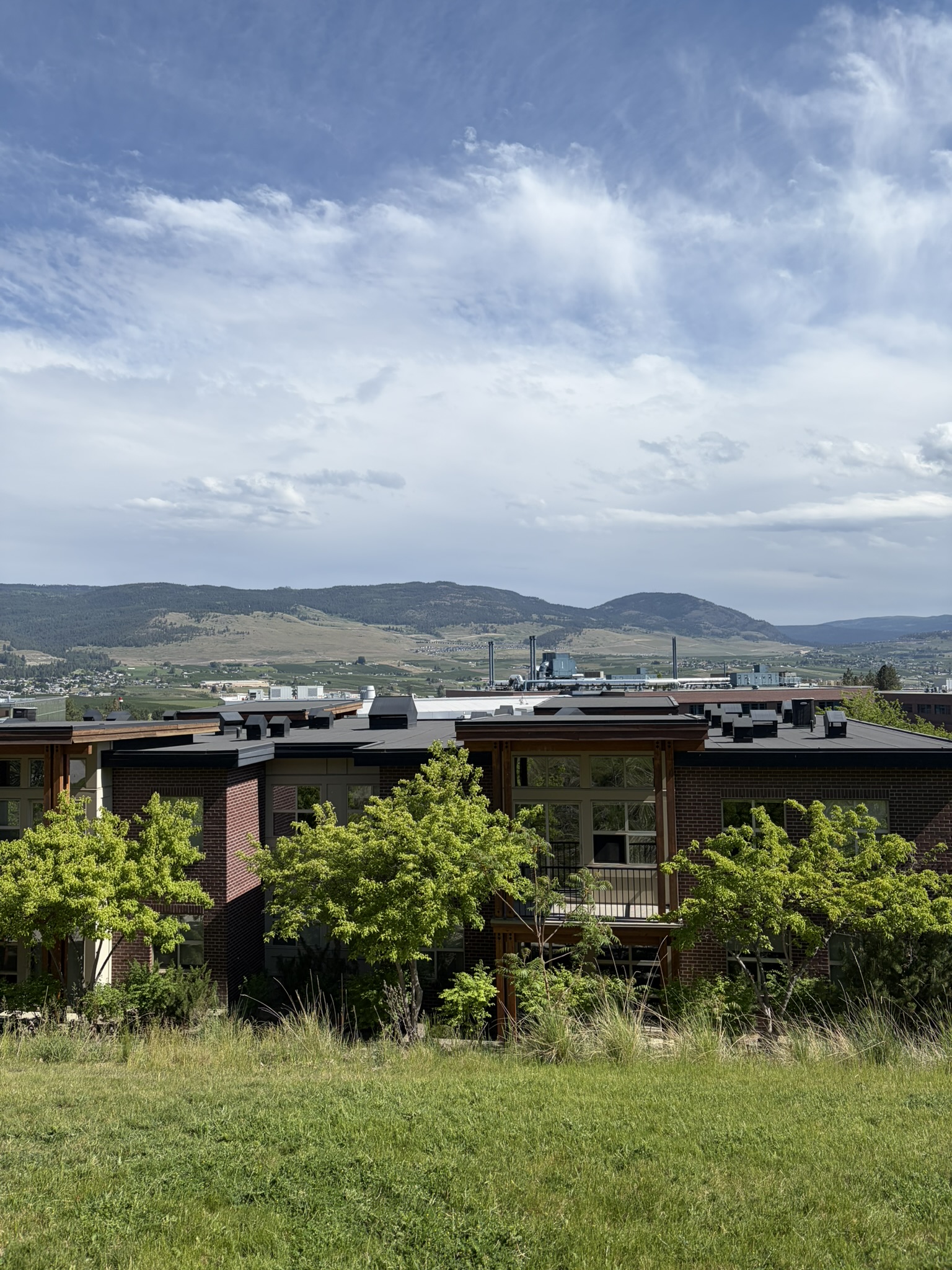
The UBC Okanagan campus and valley from an overlook04 / OVER TIME

Follow where the MDes goes

As the program changes, the website can keep changing with it, recording new questions, collaborations, places, and directions.

03 / THE NEXT LAYER

Make the website
more alive.

The current version is a working prototype. It describes the program and opens a first route into Woodhaven, but the future version should feel less like a page someone reads and more like a place someone can return to.

NOWDescribe the program

The current site brings together the MDes context, Woodhaven, the cohort, and the evidence gathered here.

NEXTOpen the field site

A fuller 360° route can make Woodhaven something visitors explore, not only something they see in photographs.

ONGOINGKeep following the work

New people, projects, conversations, and reflections can keep the site connected to the program as it develops.

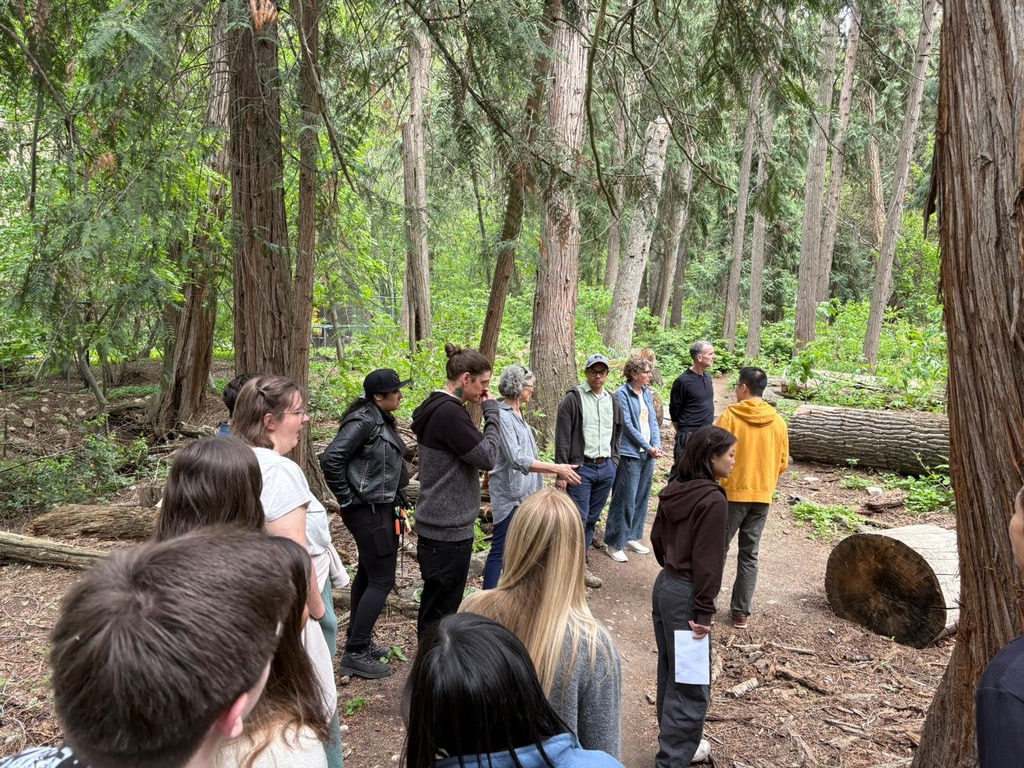
The MDes cohort walking through WoodhavenWOODHAVEN FIELDWORK / WHERE THE NEXT VERSION BEGINS

Not a finished site
a living record

This version makes the MDes more tangible before arrival. It gives visitors a way to start with place, move through the program, and see the people and work connected to it.

The next versions should let people return to Woodhaven, meet the cohort as it changes, and follow the questions the MDes keeps opening.

Take the current walk →