
DICE 501 / Design and Innovation
DICE 502 / Innovation and Participatory Research
UBCO MDes / student-facing guide
A year to
make it real
The MDes is a small, full-time, 12-month professional program built around critical design thinking, creative practice, engineering principles, and real-world change.
READ THE PROGRAM OVERVIEW ↓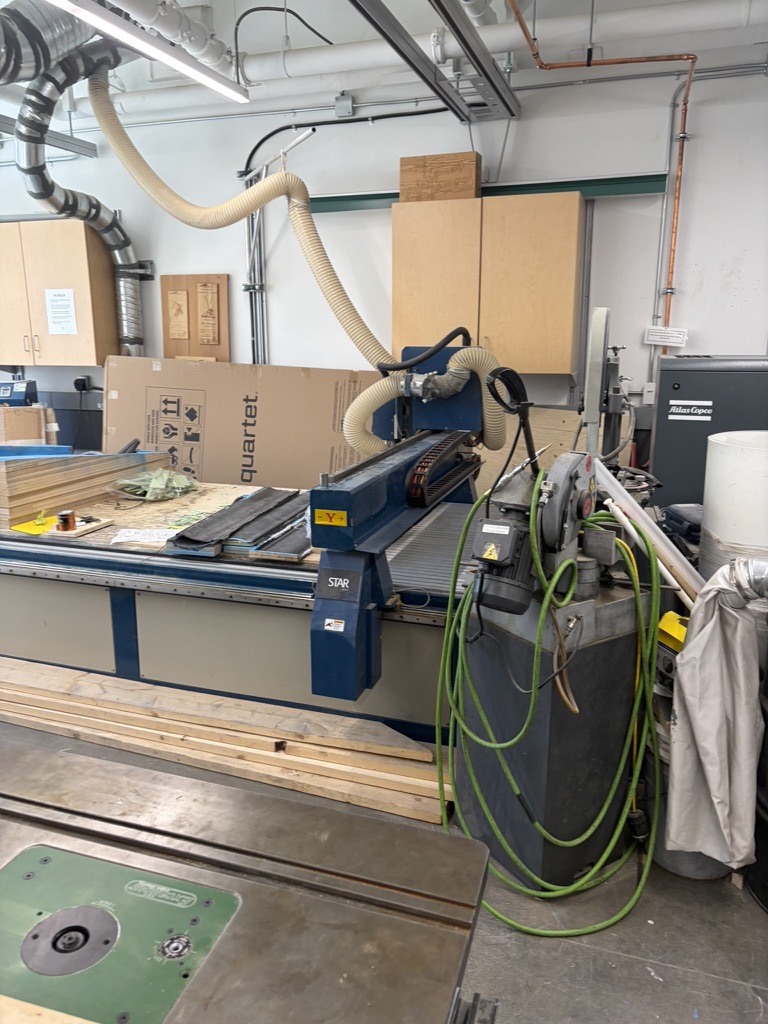 THE GUIDING QUESTIONHow can design create meaningful change when the problem keeps moving?STUDENT-FACING GUIDE
01 / THE CHANGE-MAKING STUDIO
The program's centre of gravity
A graduate program built as a living studio
UBC Okanagan describes the MDes as a place where students, faculty, partners, and communities come together to explore new possibilities and design better futures.
That is the distinction this site is trying to make visible. The program is not only a sequence of courses. It is an environment for framing meaningful problems, engaging real people, testing ideas, and carrying the work back into the world.
01LISTEN
Start with people, place, ecology, and community.
02MAKE
Move from a question toward something tangible.
03SHARE
Open the work so others can shape what comes next.
02 / HOW THE YEAR WORKS
A program with a pulse
Not a straight line from idea to answer
Officially, the program is a 12-month, full-time, in-person professional graduate degree. In practice, the work moves between research, conversation, making, critique, entrepreneurship, and the awkward middle where a first idea changes shape.
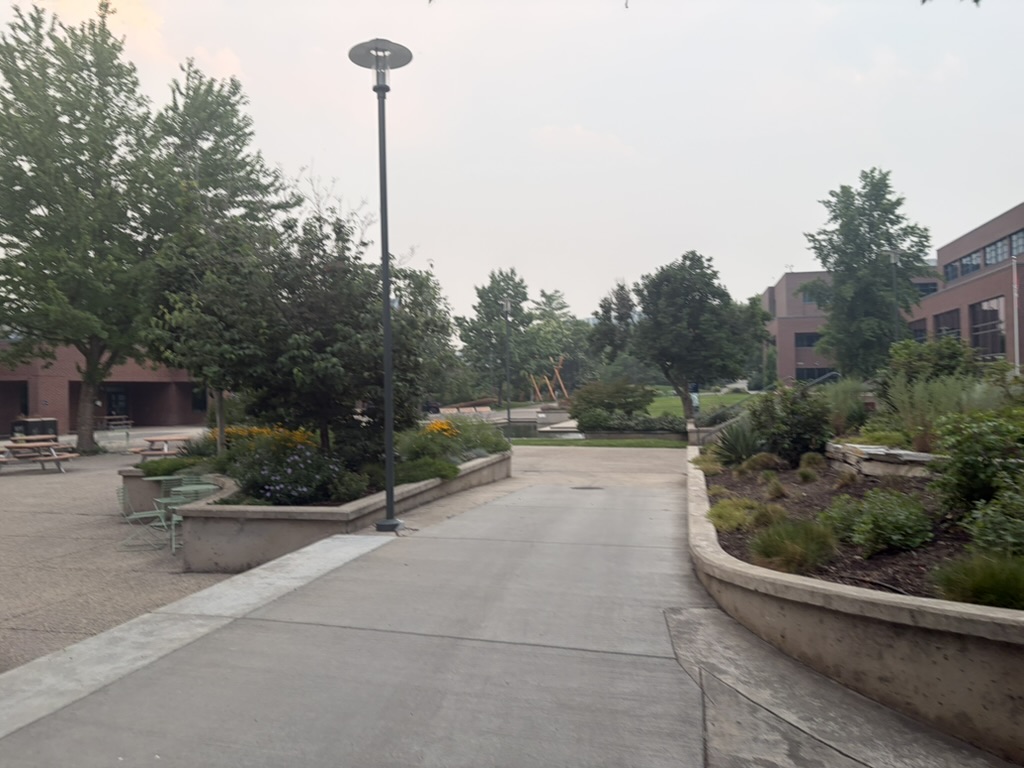
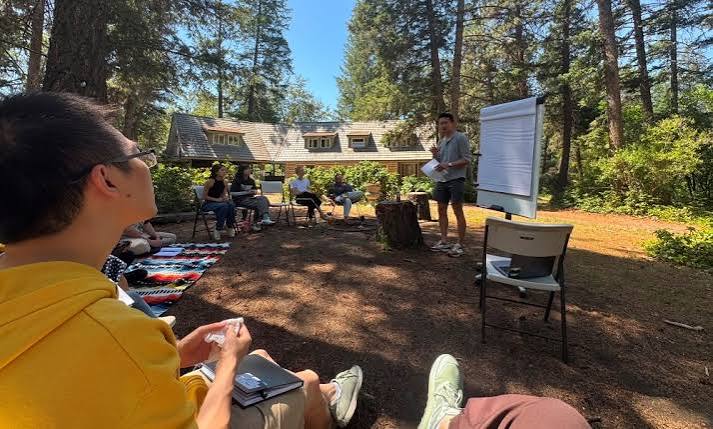
The site becomes a useful metaphor: you do not understand Woodhaven from one photograph. You learn it by walking, returning, comparing, and noticing what changed.
Read the official program page ↗03 / TWELVE MONTHS
DICE 503 / Visualization and Virtualization of Design and Production Cycle
DICE 504 / Entrepreneurship and Social Innovation
DICE 505 / Studio Experience
DICE 507 / Showcase
One approved 3-credit graduate elective in FCCS or the School of Engineering can bend the path toward a specific interest. It can be taken in any term with program-advisor approval.
04 / WHAT THE PROGRAM INCLUDES
A small cohort
The program is designed around close interaction with faculty and a community of designers from different academic and professional backgrounds.
INTERDISCIPLINARY / COHORT-BASEDReal conditions
Projects are meant to move beyond hypothetical answers, working alongside industry, community, and public-sector partners.
PARTNERSHIP / FIELDWORK / PROTOTYPINGA wider definition of design
The program crosses the technical and creative worlds: strategy, systems, making, entrepreneurship, care, and communication all sit at the same table.
CRITICAL / CREATIVE / TECHNICAL05 / STUDENT EXPERIENCE
A candid layer
The student view is not the institutional view
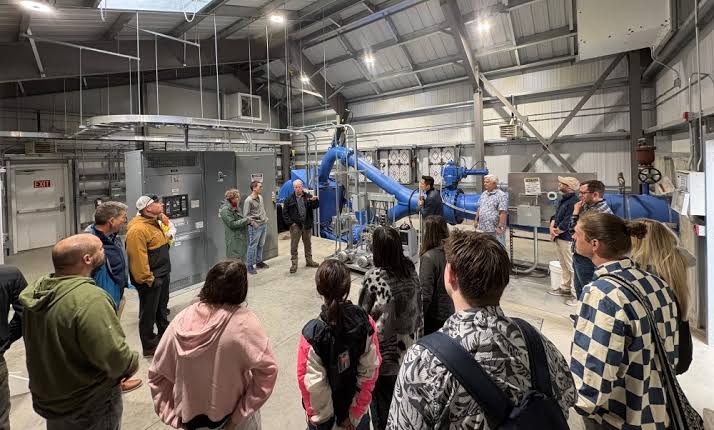
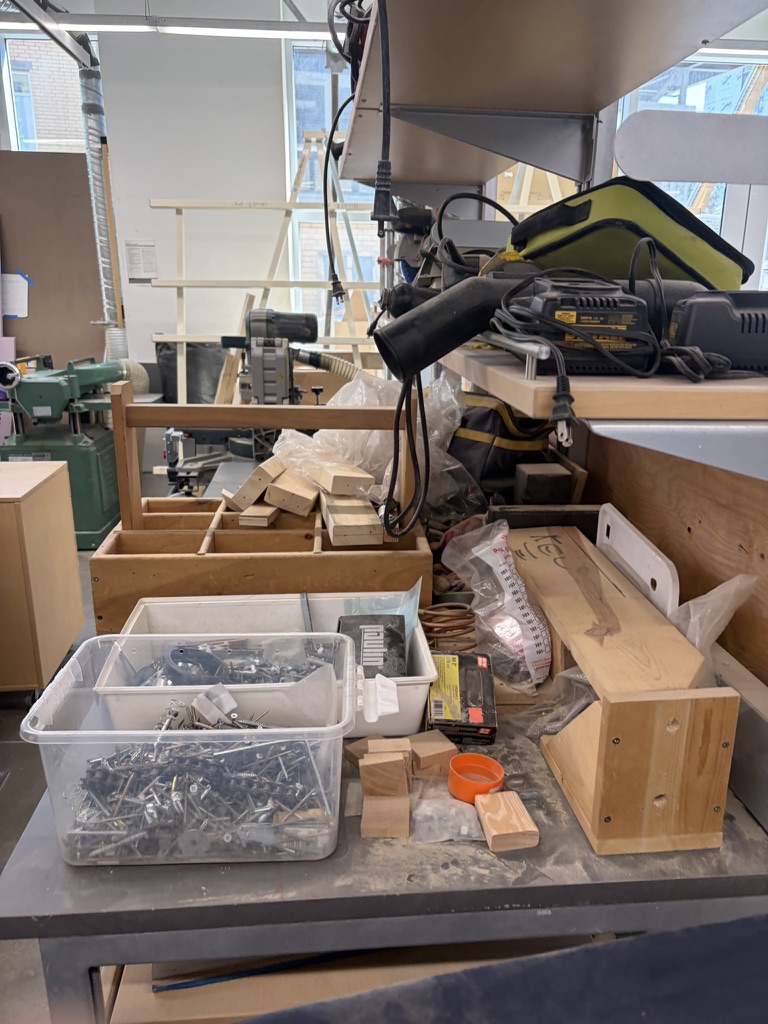
It is the messy middle: a group outside the classroom, a machine that changes the scale of the problem, a whiteboard that makes a conversation visible.
See the people inside the work →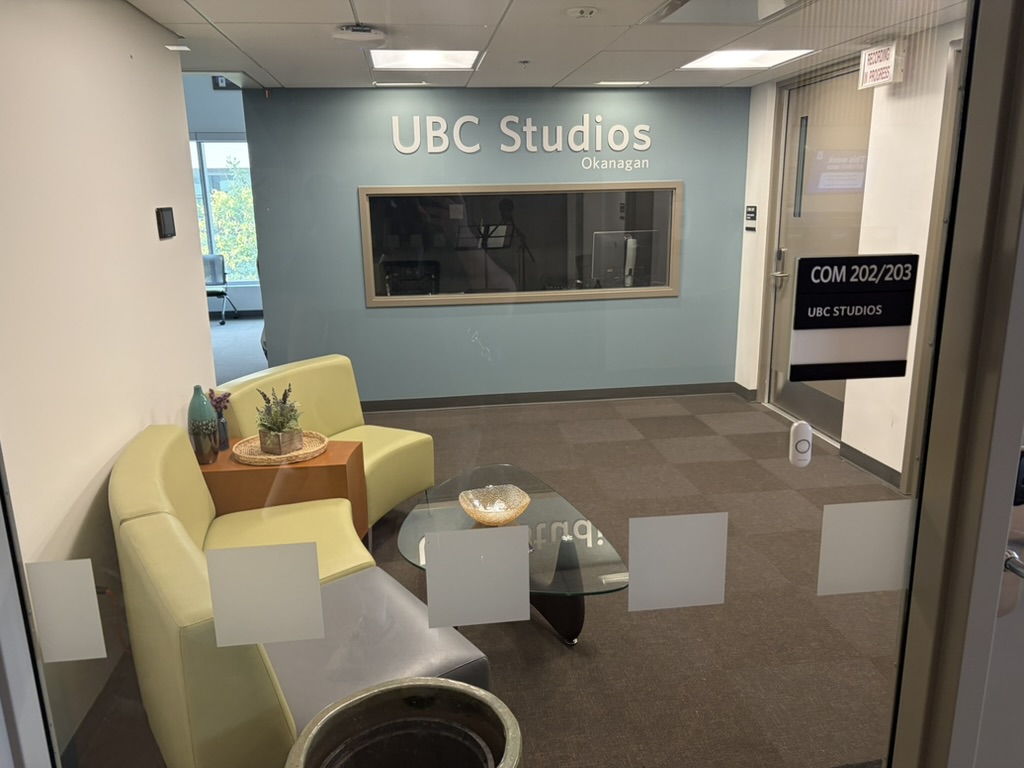
06 / OFFICIAL UBCO VIDEOS
The program,
in its own words
These official UBCO videos add the institutional view to this student-made field guide. Watch them, then return here for the situated version.
 THE STUDENT VIEW IS NOT THE INSTITUTIONAL VIEW
A candid layer
What does it feel like to arrive?
No one starts in the same place
People enter the studio with different disciplines, work histories, questions, and reasons for being there. Some arrive with a defined direction; others find the question through the work.
The cohort changes the work
Not every project is collaborative, but no one works in isolation. Peer feedback, presentations, conversations, and time at Woodhaven put other people’s questions into the room. The work changes through that contact.
What you take from it is personal
Across twelve months, people make different things and move toward different kinds of practice. The shared experience is testing an idea in public, learning what it needs next, and deciding what to carry forward.
Ready to see the room?